Embark on a journey across the globe to discover the plant-based ingredients defining the future of skincare.
Date: Feb 25, 2026
There is a quiet revolution happening in the beauty industry. It is not being led by synthetic compounds or harsh chemicals, but by the silent, resilient power of the earth itself. As we move further into an era of "Clean Beauty" and conscious consumption, the world is collectively turning its gaze back to nature, seeking answers in the roots, leaves, and flowers that have thrived for millennia.
For brand owners and skincare creators, understanding these global botanical trends is no longer just an option—it is a necessity. We see how a seed from one continent can become a soothing balm on another.Join us on a botanical expedition as we explore the plant-based ingredients that are currently captivating hearts and healing skin across the globe.
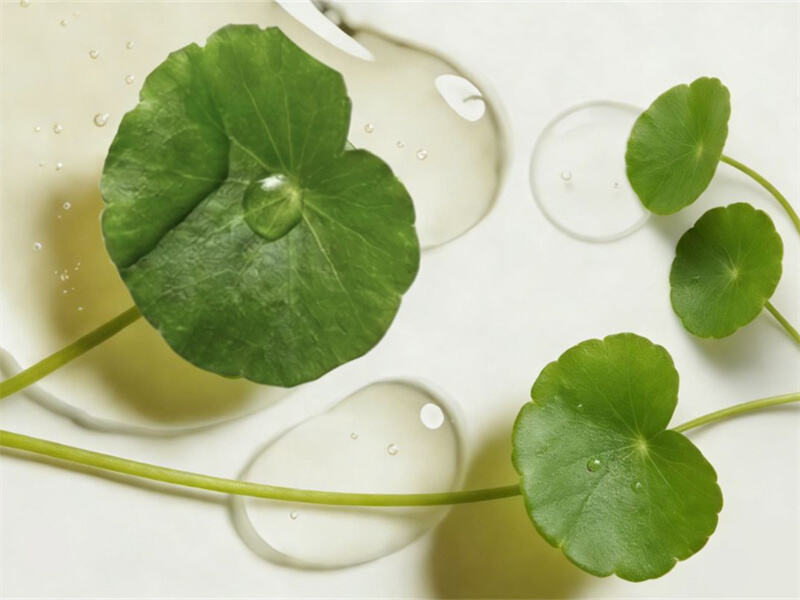
1. South Korea: The "Repair Economy" and the Reign of Centella Asiatica
The Geography & Ritual:
Seoul, the city that never sleeps. Here, the culture of beauty is rigorous, but the environment is demanding. Between the "Yellow Dust" seasons and the high-stress urban lifestyle, the Korean skin barrier is often under siege.
This unique pressure cooker summoned Centella Asiatica (Cica) from the ancient texts of Hanbang medicine. Legend whispers of tigers rolling in this grass to heal their battle wounds. Today, it is the urban warrior's shield—a symbol of restoration and calm amidst the chaos.
The Economic Reality:
The rise of Cica is a masterclass in supply meeting a specific, urgent demand.
` The Growth Metric: The global demand for "Sensitive Skin" solutions is growing at a CAGR (Compound Annual Growth Rate) of 8.4%. In the APAC region, Cica-infused SKUs have seen a triple-digit growth rate in product launches over the last five years.
` The Commercial Logic: Why do brands love it? It lowers the Customer Acquisition Cost (CAC). Cica is a "safe" ingredient. It builds trust. Consumers dealing with redness or acne are loyal to products that offer immediate relief, leading to high repurchase rates (LTV). It is no longer a trend; it is an economic staple of the Derma-cosmetic sector.
2. The Amazon & The Americas: The "Bio-Retinol" Gold Rush
The Geography & Ritual:
Crossing the ocean to the lush, untamed biodiversity of the Amazon and South America, we encounter a new challenger to the anti-aging throne. While North American consumers have long worshiped Retinol, they are increasingly rejecting its side effects (redness, peeling). They crave the efficacy of the lab but the soul of the forest.
This desire has elevated Bidens Pilosa (often found in Brazil) and its cousin Bakuchiol. These are the "Bio-Retinols"—plants that mimic the cellular turnover of Vitamin A without the toxicity.
The Economic Reality:
The shift here is driven by the "Clean Beauty" financial imperative.
` The Data: The global natural alternatives to the retinol market are expanding rapidly. Search volume for "Gentle Retinol" and "Bio-Retinol" has spiked by over 120% in Western markets.
` The "Why": This is the "Longevity Economy" meeting the "Wellness" movement. Brands utilizing Bio-Retinols like Bidens Pilosa are capturing a previously untapped demographic: pregnant women and those with reactive skin who were previously excluded from the anti-aging market. This expands the Total Addressable Market (TAM) significantly for any brand brave enough to formulate with it.
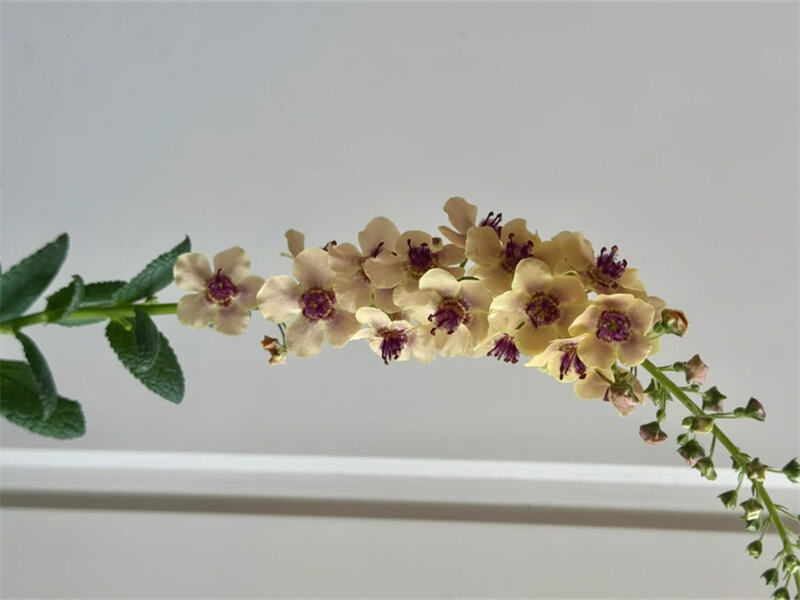
3. Africa: The "Microbiome" Guardian of the Savannah
The Geography & Ritual:
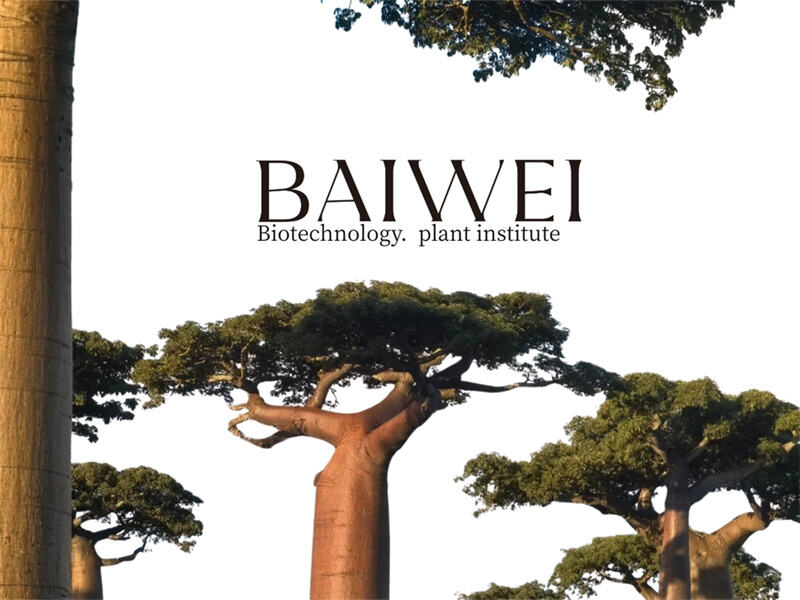
We travel next to the arid majesty of the African Savannah. Standing tall against the harsh sun is the Baobab tree, known as the "Tree of Life." For centuries, its fruit and oil have been used to protect skin from the blistering heat. It is a testament to moisture retention in the most extreme conditions.
But the modern interest lies in the Baobab Fruit Pulp, which is rich in prebiotic fibers.
The Economic Reality:
Africa is fueling the "Microbiome-Friendly" market boom.
` The Data: The skin microbiome market is expected to reach nearly $2.9 billion by 2030.
` The "Why": Consumers are moving away from "stripping" their skin and towards "feeding" their skin. Baobab is not just an oil; it is a prebiotic superfood for the skin's good bacteria. Economically, this ingredient appeals to the "Intellectual Consumer"—the buyer who understands skin flora and is willing to pay a premium for sophisticated, science-backed botanical formulations.
4. The Amazon: The "New Hydration" and Cacay Oil
The Geography & Ritual:
Deep in the lungs of the Earth—the Amazon Rainforest—Indigenous communities have long used the nut of the Cacay tree. While Argan oil had its decade of glory, the spotlight is shifting.
The Economic Reality:
The market is tired of the "same old" oils. It craves novelty with potency.
` The Data: Cacay Oil contains 50% more Vitamin E and twice the Linoleic Acid of Argan Oil, plus natural Retinol traces.
` The Commercial Logic: The "Discovery" Premium. Brands that introduce "the next Argan" early can capture significant market share as early adopters. It fits perfectly into the booming "Face Oil" category, which has seen consistent double-digit growth in the indie beauty sector.

5. The Swiss Alps: The "Resilience Economy" and Alpine Rose
The Geography & Ritual:
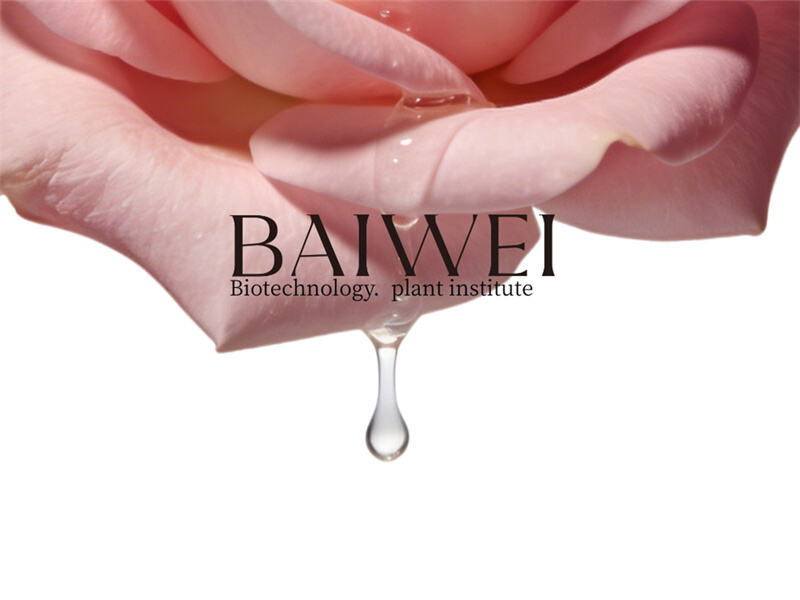
We travel next to the frozen peaks of the Swiss Alps. Here, the UV radiation is intense, and the temperatures are unforgiving. Yet, the Alpine Rose (Rhododendron ferrugineum) blooms vibrant pink.
To survive, this plant has evolved to produce specific proteins (Dehydrins) and powerful antioxidants. In the European luxury market, this is more than biology; it is a symbol of "agelessness."
The Economic Reality:
Europe drives the "High-Performance Luxury" sector.
` The Growth Metric: The market for "Extremophile" ingredients (plants that survive extreme conditions) is rising as consumers associate environmental resilience with skin resilience.
` The Commercial Logic: Storytelling ROI. When you sell a product containing Alpine Rose, you are selling the concept of "Stem Cell Vitality." This narrative supports high-ticket pricing models (Prestige Beauty), catering to an affluent demographic looking for science-backed nature.
The Global Economic Landscape of Botanical Skincare
According to recent market intelligence, the global plant extract market is poised for significant expansion. Valued at $35.6 billion in 2023, the market is projected to surge to $58.7 billion by 2030, reflecting a Compound Annual Growth Rate (CAGR) of 7.4%. This robust trajectory is primarily fueled by an escalating consumer appetite for natural, sustainable, and high-efficacy skincare solutions.
` Regional Dominance: The Asia-Pacific (APAC) region commands the largest share of the global landscape, accounting for 42% of the total market. Europe and North America follow with 28% and 22% market shares, respectively. Meanwhile, emerging markets in Latin America, the Middle East, and Africa—though currently holding smaller shares—are demonstrating the most explosive momentum, with annual growth rates exceeding 10%.
` Consumer Sentiment: Public awareness regarding botanical efficacy is at an all-time high. 68% of global consumers state a distinct preference for skincare formulated with natural botanical ingredients. Furthermore, 54% express a willingness to pay a premium for products featuring specific, active plant derivatives.
` The "Provenance" Premium: Skincare brands are aggressively pivoting to align with this shift, launching product lines anchored in botanical science. Notably, formulations highlighting Geographical Indications (GI)—ingredients tied to a specific region or origin—command an average price point 35% higher than generic botanical products. This underscores the growing value consumers place on ingredient traceability, purity, and exclusivity.
From Insight to Inventory: The Art of Strategic Manufacturing
Mapping these trends is fascinating, but capitalizing on them requires execution.Our value proposition goes beyond the vat and the filling line; it is rooted in two strategic pillars:
1. The Science of Nature: Specialized Efficacy R&D
We specialize in efficacy-driven skincare, harnessing the diverse and potent capabilities of plant life to cultivate radiant, healthy skin.We turn the "romance" of the plant into the "science" of results.
2. The Trend Aggregator: Curating Your Next Bestseller
In the surging tide of the global botanical market, the ability to accurately predict the next market-defining ingredient is critical. This requires a synergy of sharp market insight, rigorous scientific research, and a profound understanding of consumer psychology.
Our R&D strategy goes beyond analyzing current trends; we focus on unlocking the potential of undiscovered botanical resources that possess immense efficacy but have yet to reach the mass market. By not just manufacturing the next hit product, but predicting it, we empower brands to stay ahead of the curve and capture the first-mover advantage.
Are you ready to craft a product that speaks the language of the world?
[Contact Baiwei R&D Team Today] to explore our Global Botanical Collection and discuss how we can engineer your next market-leading formulation.
 Hot News
2026-02-25
2026-02-23
2026-01-30


 EN
EN